University of Tartu scientists map how genes influence metabolism in landmark study
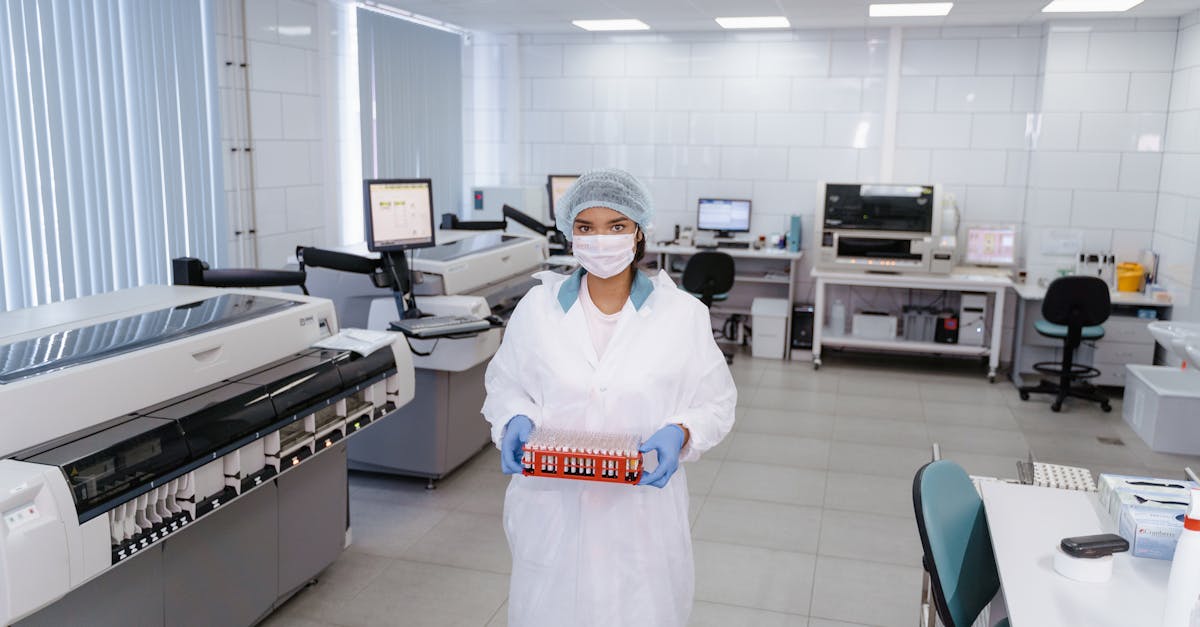
Researchers at the University of Tartu have completed a massive study revealing how genes affect human metabolism, using data from over half a million people. The study uncovered 88,000 genetic-metabolic connections, offering new insights into disease origins and drug development.
TehnoloogiaScientists at the University of Tartu have completed a landmark study mapping the genetic influences on human metabolism, drawing on data from more than 500,000 individuals. The research represents one of the largest genetic-metabolic analyses ever conducted and offers an unprecedented look at how specific genes shape the body's biochemical processes.
The study identified a total of 88,000 previously unknown associations between genes and metabolic traits. These findings give researchers a far more detailed understanding of why certain diseases develop and how the human body processes substances at a molecular level.
## New Insights Into Disease Development
One of the key implications of the research is its potential to accelerate drug development. By pinpointing the genetic foundations of metabolic processes, scientists can more precisely target the biological pathways involved in disease, potentially leading to more effective and personalised treatments.
The University of Tartu has been a leading force in large-scale genetic research, in part due to its Estonian Biobank — one of the largest population-based biobanks in Europe. This extensive database of voluntary genetic donors has made studies of this magnitude possible.
## Estonia's Contribution to Global Medicine
The findings are expected to benefit researchers and pharmaceutical developers worldwide, as the genetic links uncovered apply broadly across human populations. The study marks a significant contribution from Estonian science to global medical research.
Ava rakenduses →