The plant that heals humans but can kill horses
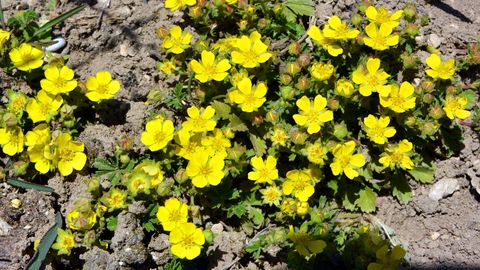
Silverweed (Potentilla anserina), a member of the rose family, is one of Estonia's most common plants — found in farmyards and urban lawns alike. While it has medicinal uses for people, it poses a serious danger to horses.
KultuurSilverweed (Potentilla anserina) is one of the most familiar plants in Estonia, thriving in farmyard gardens and city lawns from sea level up to elevations of 1,700 metres. A cosmopolitan species, it has spread across nearly all of Europe and is classified within the rose family (Rosaceae), belonging to the genus Potentilla — whose other Estonian representatives are distinguished by their finger-like leaflets.
Unlike its relatives, silverweed bears long, pinnate leaves with silvery undersides — a feature that gives the plant its name in many languages. It favours sunny, open spots and is highly tolerant of trampled or compacted soil, which explains its abundance along footpaths, riverbanks, and roadsides throughout the country.
For humans, silverweed has a long history of medicinal use. Traditional herbal medicine has employed the plant as an astringent, using preparations from its leaves and roots to ease digestive complaints, menstrual cramps, and minor inflammatory conditions. Its tannin content is considered responsible for many of these effects.
However, the same plant presents a serious hazard to horses. Silverweed contains compounds that can trigger severe poisoning in equines, potentially leading to death if ingested in significant quantities. Horse owners and stable managers in Estonia are advised to check grazing areas and hay supplies for the presence of the plant.
Ava rakenduses →