Tartu Scientists Jaak and Meelis Pärtel: Science and Nature Through Two Generations
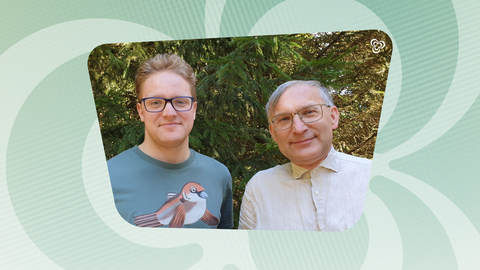
Botany professor Meelis Pärtel from the University of Tartu and his son Jaak Pärtel, a biology graduate student, discuss becoming scientists and love for nature. Father and son share a common passion for ecology, but pursue different scientific paths. The conversation also touches on how ecological knowledge can be brought to society.
KultuurTwo generations of the Pärtel family work at the University of Tartu, united by a deep interest in nature and science. Botany professor Meelis Pärtel is a renowned macroecologist who has, among other things, developed the concept of dark diversity — a concept that significantly enriches understanding of ecosystem health. His son Jaak Pärtel studies for a master's degree in biology at the same university and researches the distribution and ecology of soil fungi.
Different Paths, Shared Passion
Although father and son share a love for nature, their scientific interests have taken on their own character over time. Jaak has published a scientific article on the accuracy of plant image recognition, which demonstrates his interest in contemporary technological methods in ecological research. Meelis, on the other hand, has focused on larger patterns in the formation of biodiversity and how the environment and landscape history shape species distribution.
In the conversation, the Pärtels discuss how childhood experiences in nature shaped their later scientific careers. For Meelis Pärtel, his identity as a scientist has developed over decades, while Jaak is only beginning to discover which questions captivate him most. What unites them both is a desire to understand how nature works — and why that matters to us as humans.
Science and Society
One of the most important topics the Pärtels discuss is how to bring ecological knowledge to society more broadly. Scientific work should not remain confined to academic journals — its results must reach decision-makers and ordinary citizens so they can make better choices in nature conservation and land use. The concept of dark diversity is a good example of how a single new concept can transform the way we assess the state and needs of nature.
Ava rakenduses →