South China Sea enters new era: all competing for territory
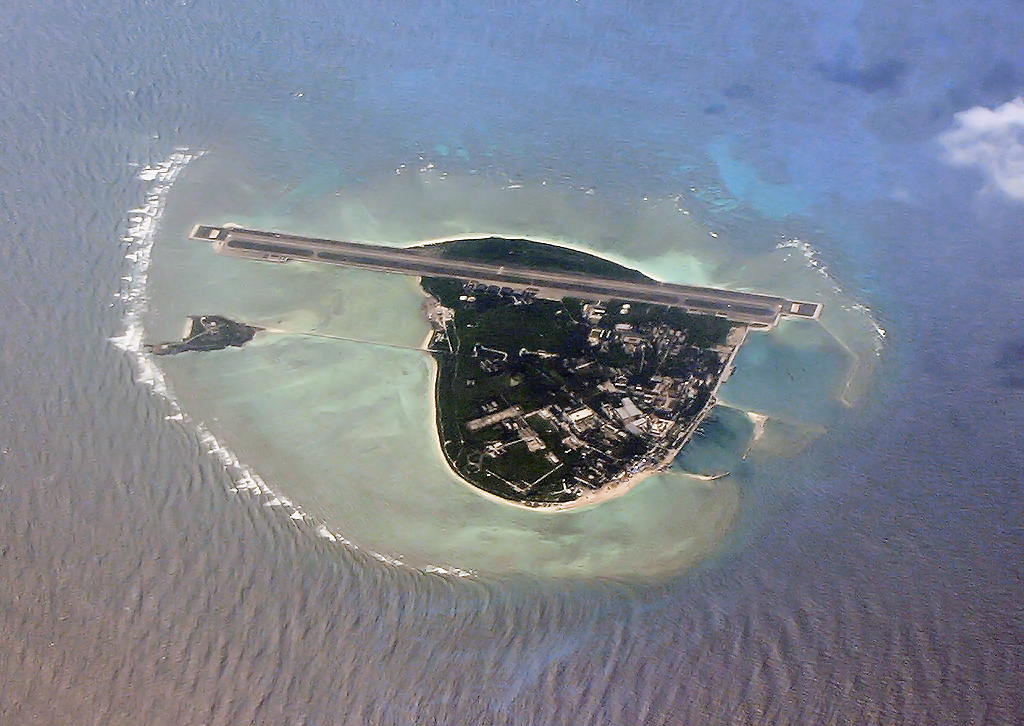
A new geopolitical dynamic has emerged in the South China Sea, where other nations are following China's example and attempting to consolidate their territorial claims. After years of watching China build artificial islands, neighboring countries are now employing similar methods. The situation in the region is becoming increasingly tense.
PoliitikaA dangerous territorial race has begun in the South China Sea, with different nations attempting to quickly secure their claims in disputed waters. After years of observing how China transformed its geographical demands into reality through artificial island construction, other players in the region have begun adopting the same strategy.
Following China's example
For years, the international community offered critical assessments of China's activities, where Beijing built artificial islands on disputed reefs and shallows and installed military facilities on them. However, this strategy proved effective: creating facts on the ground gave China a strong position in international negotiations and allowed it to expand its actual sphere of control.
Now, other Southeast Asian nations have reached the conclusion that passive waiting brings only losses. The Philippines, Vietnam, and other regional countries have begun more actively protecting their territorial claims, and some are experimenting with similar methods — building smaller facilities or strengthening their presence in disputed areas.
Dilemmas of international law
The situation is complicated by the fact that the International Court's 2016 decision, which rejected China's sweeping claims, has been disregarded by Beijing. This precedent sends a clear message to other nations: international law alone does not protect without real force to support it.
Geopolitical tensions in the region are growing as the US increases its military presence and strengthens alliances with the Philippines and other regional nations. Washington's support makes some countries bolder in defending their claims, but simultaneously raises the risk of direct confrontations.
A dangerous precedent for the world order
Experts warn that this "take what you can" mentality could set a dangerous precedent for the entire international system. If territorial disputes are resolved through creating facts on the ground rather than through negotiations and international law, it casts doubt on UN principles and threatens to destabilize not only the South China Sea, but geopolitical relations more broadly across the world.
Ava rakenduses →