Mihkel Lees: five steps to get Estonian children moving
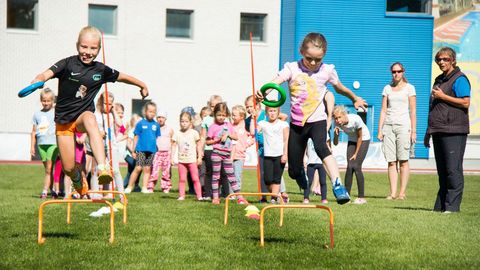
Mihkel Lees, deputy chairman of the Riigikogu Reform Party faction, writes that discussions about Estonian children's mental health too often focus on solving problems rather than preventing them. According to him, regular physical activity is a scientifically proven tool for promoting both mental and physical health. Lees proposes five concrete steps that society should take to encourage children to move more.
ArvamusThe mental health of Estonian children and young people is increasingly on the public agenda, but Mihkel Lees, deputy chairman of the Riigikogu Reform Party faction, draws attention to a significant gap in this debate — the focus is too reactive. Rather than seeking solutions to problems that have already emerged, more investment should be made in prevention.
Lees emphasizes that regular physical activity is one of the few measures whose positive impact on children's health — both mental and physical — has been thoroughly proven by scientific research. Yet Estonian society and the state have not adequately applied this knowledge in practice.
Why movement is key
Physical activity does not affect children only physically — it improves concentration, reduces symptoms of anxiety and depression, and strengthens the sense of social belonging. The science is clear: children who move regularly cope better at school and in everyday life.
The problem is that reduced movement is a widespread trend. Screen time increases, school days are sedentary, and many children barely move outside of physical education classes. This is an unsustainable situation from a public health perspective.
Five steps toward a solution
Lees proposes five societal steps through which Estonia could turn the situation around: strengthening movement culture in schools, integrating physical activity into all parts of the school day, engaging parents and raising awareness, improving the accessibility of sports opportunities, and more clearly defining state responsibility. Implementing these steps requires both political decisions and broader cultural change in society.
The opinion piece's author emphasizes that this is not merely an education or health care issue — it is an investment in Estonia's future that will pay for itself many times over.
Ava rakenduses →