Kremlin doubles: Why Russia itself spreads Putin body double rumours
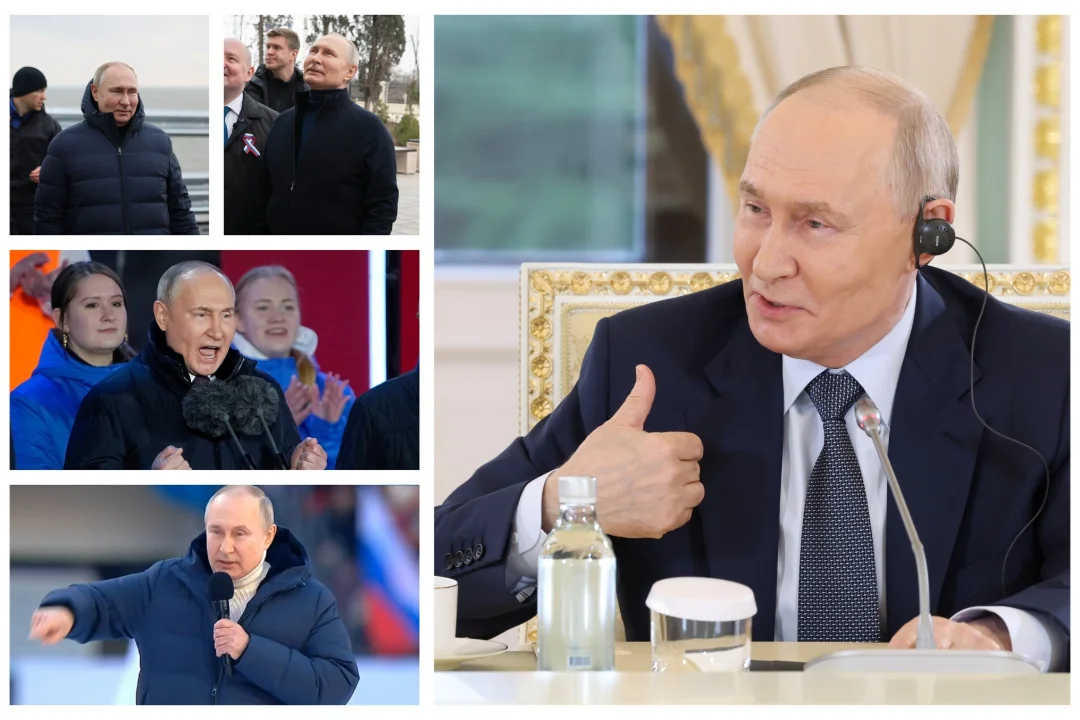
Analyst Karmo Tüür argues that the Kremlin actively spreads rumours about Putin using body doubles — and for a surprisingly deliberate reason. The theory that the 'real' Putin is already dead or frozen is less widely believed, but equally part of the information game. Understanding why Moscow benefits from these stories reveals a key tool of Russian disinformation.
PoliitikaThe idea that Vladimir Putin uses body doubles is one of the most persistent rumours in international politics — so widespread that only the most isolated observers claim never to have heard it. Slightly less common, but still circulating, is the more dramatic claim that the 'real' Putin has already died, been killed, or is being kept cryogenically frozen while a stand-in rules Russia.
Kremlin's calculated disinformation
Estonian analyst Karmo Tüür argues that neither story should be dismissed as mere conspiracy theory, nor taken at face value — because the Kremlin itself is often the source. According to Tüür, Moscow spreads these narratives deliberately and with a clear strategic purpose: to create uncertainty about who is actually in charge of Russia and what decisions they are capable of making.
This kind of deliberate ambiguity serves the Russian state in multiple ways. If foreign governments and intelligence services cannot be certain whether the man appearing in public is the real Putin or a double, it complicates any attempt to assess his health, mental state, or decision-making capacity. It also makes it harder to negotiate, issue ultimatums, or plan responses to Russian actions.
Disinformation as a strategic tool
The body double narrative is part of a broader Russian information warfare playbook that blurs the lines between fact and fiction. By seeding plausible-sounding stories — even ones that make the Kremlin look unstable — Moscow gains a paradoxical advantage: the more confused the outside world is about Russian leadership, the more cautious and hesitant its adversaries tend to become.
Tüür's analysis underlines a broader lesson for media consumers: when a rumour about Russia seems almost too dramatic to be state-sponsored, that may be precisely why the Russian state is happy to let it spread.
Ava rakenduses →