Iran's war in the first 90 days: the world lost a billion barrels of oil
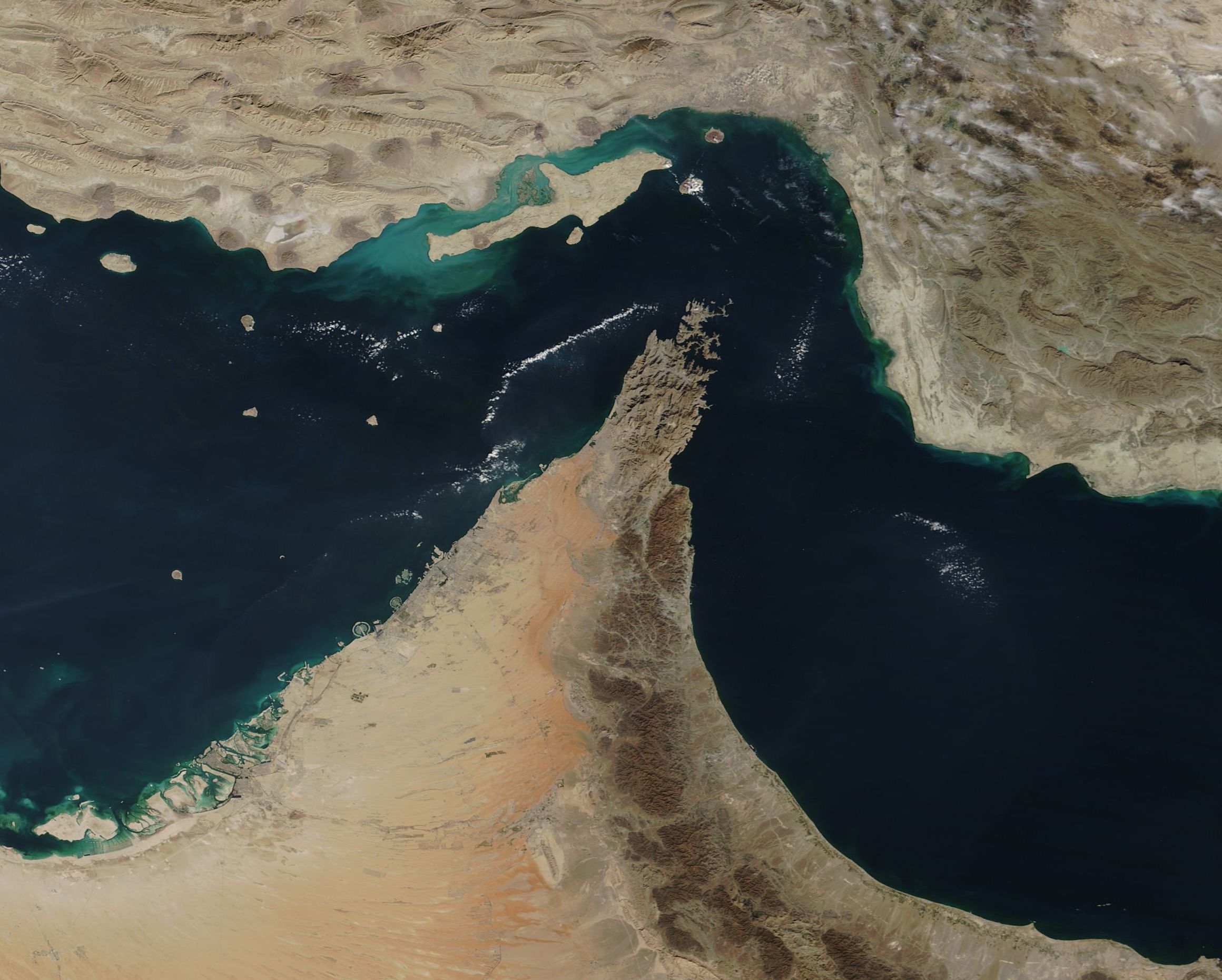
Three months of conflict in Iran have caused historic turmoil in global energy markets. The near-complete closure of the Strait of Hormuz has resulted in an estimated loss of a billion barrels of oil. Energy prices have risen to new levels.
PoliitikaThe first 90 days of Iran's war have left deep scars on global energy markets – the conflict has caused disruptions of historic proportions in oil and gas supply chains worldwide.
Strait of Hormuz: strategic bottleneck locked
The most painful consequence has been the near-complete closure of the Strait of Hormuz. This narrow sea passage, through which a significant portion of the world's oil export flows, has become practically impassable. According to estimates, the world has lost approximately a billion barrels of oil as a result – a volume that poses an unprecedented challenge to the global energy balance.
Since the outbreak of conflict, energy prices have taken a sharp jump, reaching levels that put pressure on both industrial production and households worldwide. According to analysts, there is no prospect of price declines in the near term, as alternative supply routes cannot nearly make up for the lost volume.
Geopolitical waves spreading further
The impact of the war is not confined solely to oil markets. In three months, the conflict has reshaped geopolitical alliances and trade flows, and created pressure on many countries' economies. This is particularly acute in Asia, where several major powers depend heavily on Persian Gulf oil.
A summary of the first 90 days shows that the Iran conflict is becoming one of the 21st century's most significant geopolitical crises, with consequences extending from energy security to global economic stability.
Ava rakenduses →