Hantaviirus: Silent Threat on Cruise Ship Raises Global Health Alarm
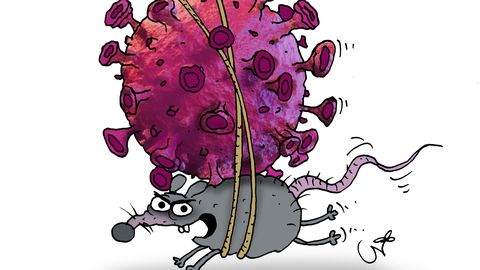
A Dutch expedition vessel Hondius has experienced cases of hantavirus infection, including fatalities, marking a rare instance of human-to-human transmission of this dangerous pathogen. The outbreak highlights the ongoing threat posed by hantavirus, which can be transmitted from rodents to humans and, in unusual cases, between people. With no vaccine or specific cure available, disease prevention relies entirely on proper hygiene and sanitation practices.
MajandusHantavirus remains one of nature's deadliest pathogens, despite being discovered over fifty years ago. The virus naturally inhabits mice and rats without harming these animals, yet poses a potentially fatal threat to humans who come into contact with infected rodents or their contaminated droppings. The recent outbreak aboard the Dutch research vessel Hondius has brought this forgotten threat back into scientific spotlight, particularly because of evidence suggesting direct human-to-human transmission-a rare and alarming development in hantavirus epidemiology.
The Hondius expedition has recorded multiple confirmed cases and deaths among its crew, making this incident a significant public health event. What makes this outbreak particularly concerning to virologists is the apparent transmission pattern between infected individuals, which deviates from the typical rodent-to-human infection pathway. Typically, humans contract hantavirus through inhalation of aerosolized particles from rodent urine, feces, or saliva-most commonly in dusty, poorly ventilated spaces such as storage areas and abandoned buildings where rodents nest.
The cruise ship environment presents unique challenges for disease containment. Confined spaces, poor air circulation in certain areas, and the difficulty of maintaining strict hygiene protocols across a large vessel create ideal conditions for viral spread. The incident underscores how quickly infectious diseases can spread in enclosed environments where people live and work in close proximity, especially when proper sanitation standards are not rigorously maintained.
Currently, medical science offers no vaccine to prevent hantavirus infection and no specific antiviral cure once someone becomes ill. This reality forces public health authorities and individuals alike to rely on prevention through strict hygiene practices. Thorough cleaning of potentially contaminated areas, proper use of protective equipment, adequate ventilation, and careful waste disposal remain the only effective defenses against this pathogen. The outbreak aboard Hondius serves as a stark reminder that despite centuries of medical advancement, some infectious diseases continue to demand respect and adherence to fundamental sanitation principles.
The incident also highlights the importance of rapid identification and reporting of suspected hantavirus cases, allowing authorities to implement immediate containment measures and prevent wider outbreaks in confined environments such as ships, research facilities, and military installations.
Ava rakenduses →