Greenland shark genome study reveals secrets of extreme longevity
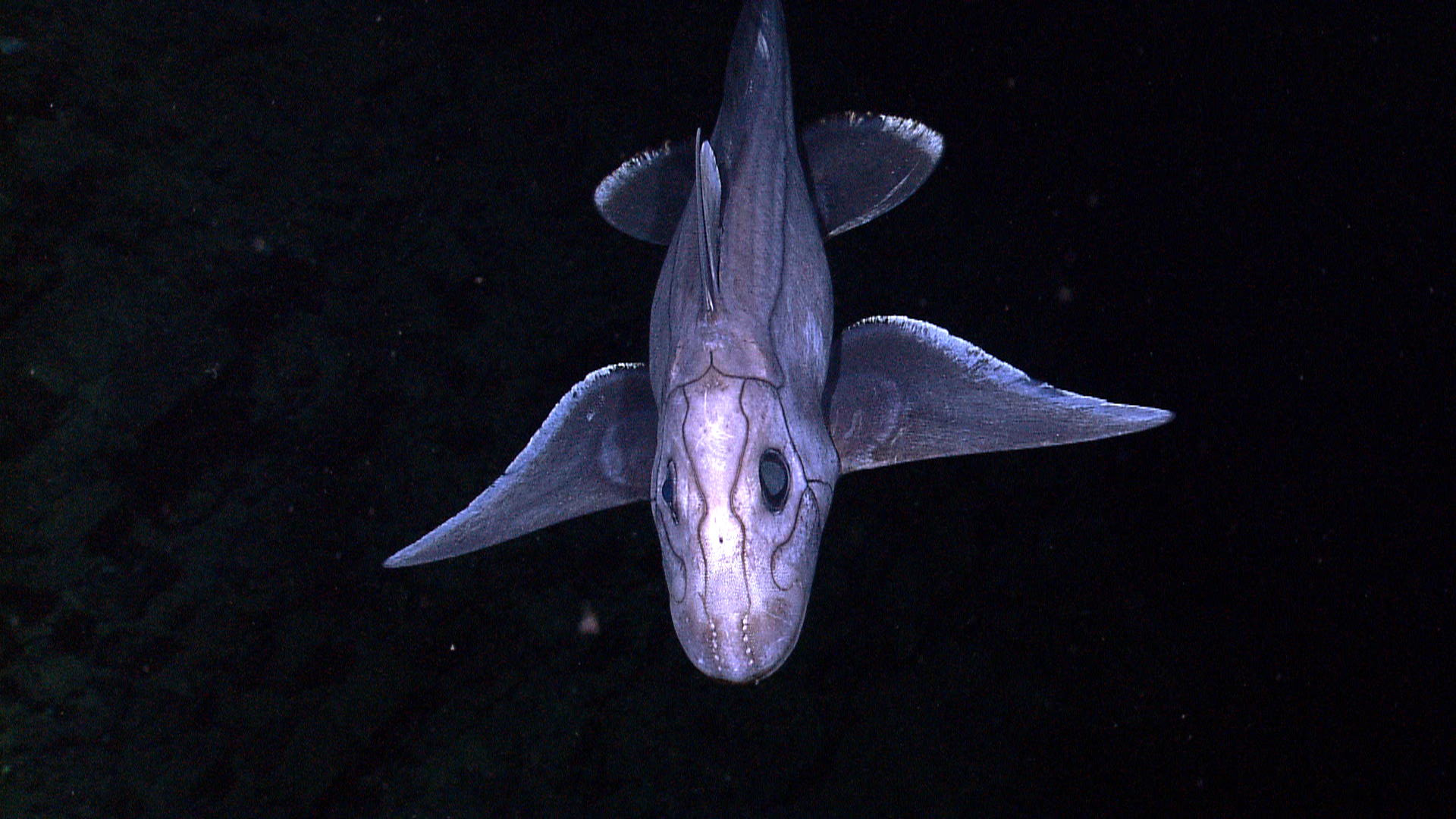
Scientists have conducted a comprehensive study of the Greenland shark genome to understand how these sharks, which live in the deep waters of the North Atlantic Ocean and the Arctic, are capable of living extraordinarily long lives. The study provides new insights into the biological mechanisms behind extreme longevity.
TehnoloogiaLiving in the deep waters of the North Atlantic Ocean and the Arctic, Greenland sharks are among the longest-lived vertebrates in the world, and scientists have now thoroughly mapped their genome to understand the secrets behind their extraordinary longevity.
The Greenland shark (Somniosus microcephalus) is renowned for its exceptionally long lifespan — it is believed these sharks can live over 400 years, making them among the longest-lived vertebrates known to science. Their growth is extremely slow and sexual maturity is not reached until several decades into their lives.
What the genome revealed
The genome study focused on genes associated with DNA repair, oxidative stress tolerance, and ageing processes. Scientists identified several unique genetic adaptations that distinguish Greenland sharks from other species and may explain their remarkable resilience and the secret to their long lives.
The results of such research are important not only from a marine biology perspective — scientists hope that analysis of the Greenland shark genome may open new perspectives for understanding human ageing processes and associated diseases. Learning about genes related to longevity creates the possibility to search for new therapeutic approaches to age-related diseases.
Ava rakenduses →