Europe's industry increasingly dependent on Chinese suppliers
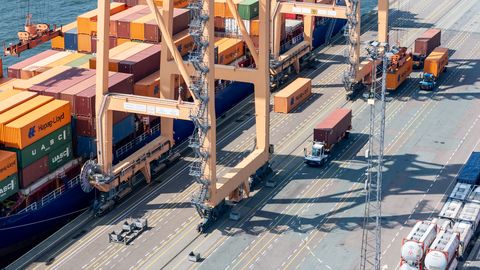
The European Union's dependence on China has grown significantly in recent years, with Chinese suppliers becoming dominant or even sole providers in several key industrial sectors. Analysts warn that Europe is most vulnerable in solar energy, critical raw materials, industrial robots, chemicals, and textile and wood products.
MajandusThe European Union's reliance on Chinese suppliers has reached concerning levels, with analysts identifying multiple critical industrial sectors where China has become the primary or even sole source of goods, according to a report by Euronews. The trend has accelerated in recent years, raising questions about Europe's strategic autonomy and economic resilience.
Solar Energy and Raw Materials
Experts highlight solar energy as one of the most exposed sectors, with European manufacturers heavily dependent on Chinese photovoltaic panels and related components. Critical raw materials — including rare earth elements essential for clean energy technologies and electronics — represent another major vulnerability, as China controls a dominant share of global production and processing capacity.
Industrial robots are also a growing area of concern. As European factories modernise and automate, demand for robotic equipment has surged, and Chinese manufacturers have captured an increasing portion of that market. Similarly, the chemicals sector and the combined textile and wood products industries rely substantially on Chinese imports, leaving European businesses exposed to potential supply disruptions.
Strategic Risks for the EU
Analysts warn that the concentration of supply chains in a single country creates significant strategic risks. Any deterioration in EU-China relations, export restrictions imposed by Beijing, or major logistical disruptions could rapidly affect European production across multiple industries simultaneously.
The findings come at a time when the EU is actively pursuing policies to reduce strategic dependencies and diversify supply chains, including through its Critical Raw Materials Act and efforts to attract investment in domestic manufacturing. However, analysts suggest that meaningful diversification will take years to achieve and require substantial investment across both public and private sectors.
Ava rakenduses →