Births in England and Wales hit lowest level since 1977
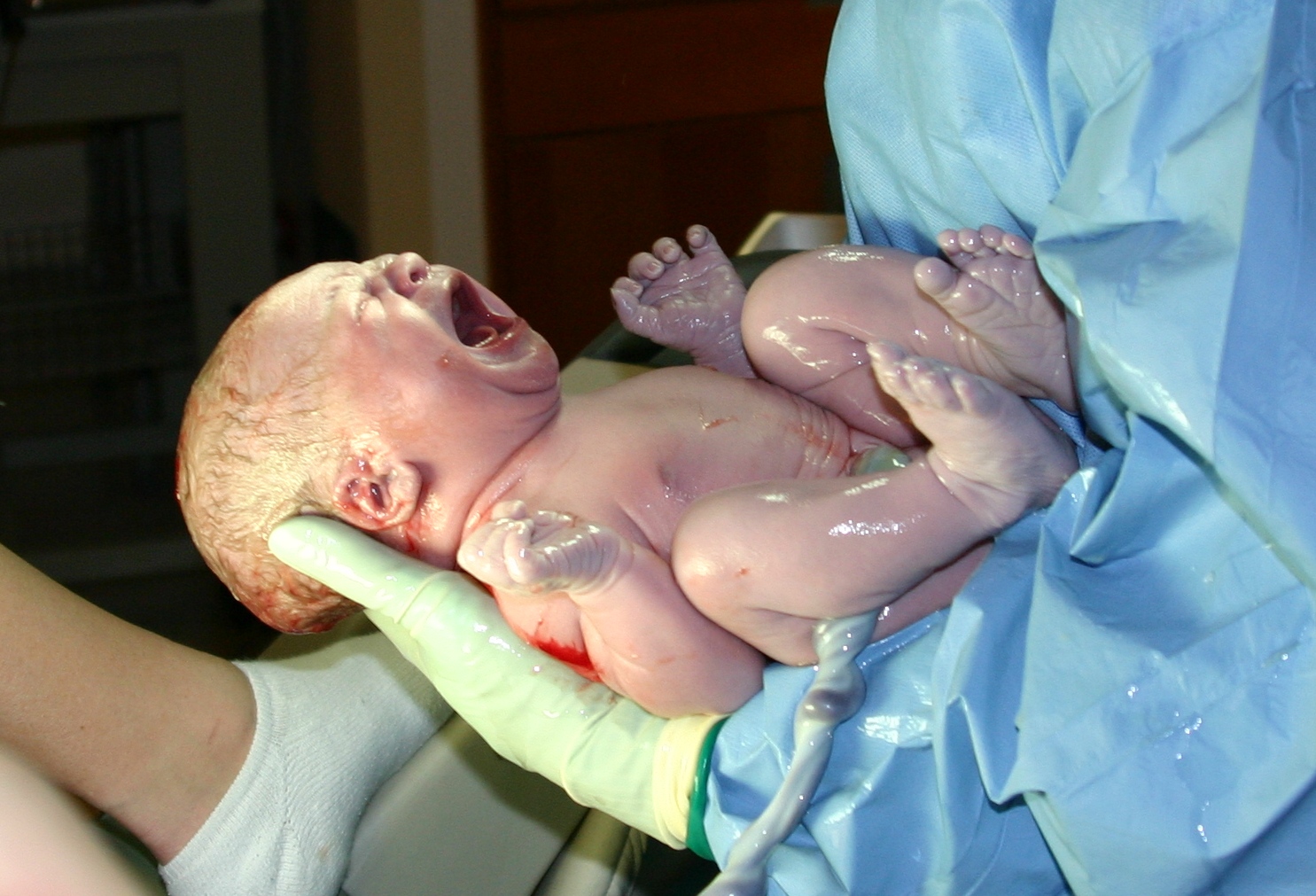
Live births in England and Wales have fallen to their lowest level in nearly 50 years. The decline coincides with a rising average age of first-time mothers, reflecting broader demographic shifts across the UK.
PoliitikaLive births in England and Wales have dropped to their lowest level since 1977, according to new data, marking a significant demographic milestone for the two nations. The figures highlight a long-term trend of declining birth rates that demographers and policymakers have been tracking with growing concern.
The average age of first-time mothers has also continued to rise alongside the drop in total births, suggesting that many women are either delaying parenthood or opting out of it altogether. Economic pressures, housing costs, and uncertainty about the future are widely cited as key factors influencing these decisions.
«It's not a nice world to bring children into,» reflects a sentiment increasingly heard among younger generations in the UK, capturing a mood of pessimism that many experts say is directly shaping family planning choices. The combination of financial anxiety, climate concerns, and geopolitical instability appears to be weighing heavily on prospective parents.
The trend is not unique to England and Wales — similar patterns have been observed across much of Europe, including the Nordic countries and the Baltic states. Estonia itself has grappled with low birth rates for years, making the UK data relevant for broader regional comparisons and policy discussions.
Demographers warn that sustained low birth rates can place long-term pressure on public services, pension systems, and labour markets. Governments across Europe are under increasing pressure to develop proactive family support policies, though the effectiveness of such measures in reversing demographic trends remains a subject of debate.
Ava rakenduses →