Bart Cosijn: Tallinn fails to understand the connection between functionality and beauty
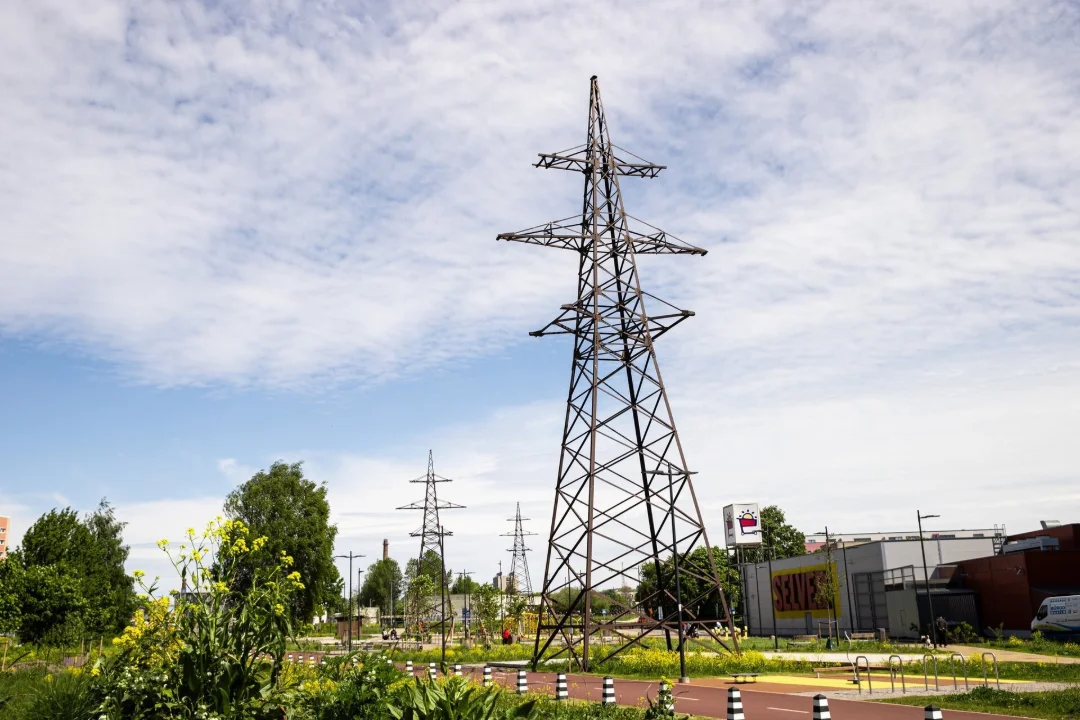
Tallinn's city coalition refuses to acknowledge that the value of public space extends beyond mere functionality. Residents and business owners understand this connection, but the city does not consult with them. This is becoming an increasingly serious problem for the city's future livability.
ArvamusTallinn's current coalition runs the city according to a logic that prioritizes only technical functionality — does the road connect one point to another, does street lighting work, is the plaza usable. Yet this approach overlooks something essential: the aesthetic and social value of public space, which directly affects whether people want to live, work and spend time in the city.
Functionality and beauty are not opposites — they are two sides of the same coin. A well-designed street is not merely a traffic hub, but also a meeting place, a bearer of identity and a creator of well-being. This has been proven by countless European cities where public space quality is treated as a strategic investment, not an expense.
Residents are left out of the process
What is particularly concerning is that Tallinn city does not involve those most affected by these decisions in the decision-making process — residents and local business owners. In other Nordic and Western European cities, participation in urban development has become the standard, but in Tallinn it often remains merely a formality or is omitted altogether.
The result is public spaces that fulfill their minimum function but offer residents neither pride nor a sense of belonging. This is a long-term problem: people with options prefer to live in cities that offer more than just infrastructure. Tallinn has the potential to be a world-class city — its history, architecture and location support this — but this potential remains unrealized if governance is based on short-term cost calculations.
Change is necessary
The solution is neither expensive nor complicated: the city needs to start asking residents for their views and take their responses seriously. It needs to invest in design that accounts for both functional and aesthetic needs. And it needs to understand that a city's attractiveness is an economic asset — it draws residents, tourists and investors. Tallinn faces a choice: either continue with minimalist administrative logic or take a step forward and build a city that its residents can truly take pride in.
Ava rakenduses →