Armenia's parliamentary elections test the nation's Western turn
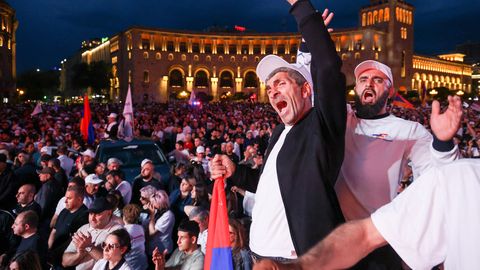
Armenia holds parliamentary elections on Sunday, a direct test of Prime Minister Nikol Pashinyan's Western-oriented policy. Campaign tensions with Russia have escalated as Moscow attempts to intervene and pressure the country to maintain its traditional sphere of influence.
PoliitikaArmenia will hold parliamentary elections on Sunday, which promise to be a genuine test of the country's geopolitical reorientation. Prime Minister Nikol Pashinyan has over recent years clearly distanced himself from Russia's orbit and sought to strengthen ties with the European Union and the Western world.
The ruling Pashinyan government faces accusations that Moscow has attempted to interfere in the elections and used pressure tactics to maintain its influence over the former neighboring state. Russian-Armenian relations have notably cooled since Yerevan froze its participation in the Collective Security Treaty Organization, led by Russia.
The elections take place in a tense political climate where opposition parties contest Pashinyan's pro-Western course, with some parties continuing to view relations with Russia as essential. The outcome of the vote will send a clear signal about whether the Armenian people support continued movement toward the West.
Armenia's Western turn has implications far beyond bilateral relations with Russia. The Pashinyan government has forged closer ties with the EU, including in visa liberalization and economic cooperation. This represents a significant marker in a region where geopolitical choices typically have long-lasting consequences.
Ava rakenduses →