Trump Claims Success in Iran Operations Amid Ongoing Risks
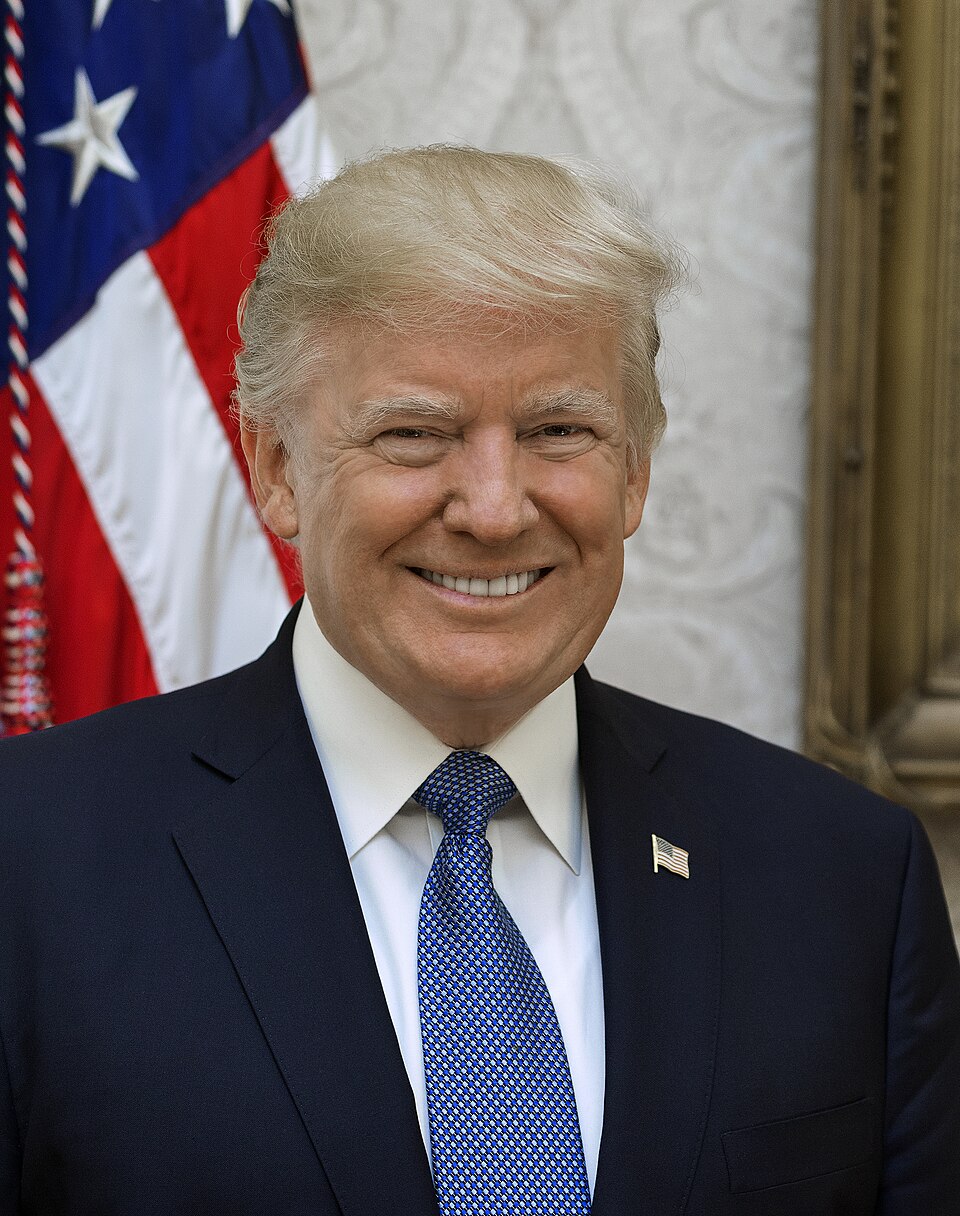
Former US President Trump has declared victory following a military rescue operation in Iran, though significant threats to American forces remain active in the region. The incident raises questions about potential escalation of US military involvement in Iran, including possible ground operations targeting strategic facilities.
PoliitikaDonald Trump has announced what he characterizes as a successful outcome following a recent rescue operation conducted by US forces in Iranian territory. The declaration comes as military planners assess the implications of the incident for future strategic actions in the region, with potential consequences for how the former president might authorize expanded military engagement.
The rescue operation has highlighted both the capabilities and vulnerabilities of American military assets operating in the Middle East. Defense officials are now evaluating how the incident may influence decision-making regarding more ambitious military objectives, including potential ground assaults on strategically important Iranian sites.
Specific targets under consideration include Kharg Island, a major Iranian oil and gas export facility, as well as locations housing enriched uranium reserves. Such operations would represent a significant escalation of military involvement in Iran and carry considerable geopolitical risks for the United States and its regional partners.
Despite Trump's victory proclamation, military assessments indicate that substantial threats to American operations persist throughout the theater. These ongoing risks could complicate planning for any future military action and may influence the decision-making calculus regarding the scope and nature of US involvement in Iranian affairs.
The situation underscores the complex strategic challenges facing the United States in the Middle East, where military operations must be balanced against regional stability concerns and the broader geopolitical landscape.