Shipping industry warned against Iran strait toll payments
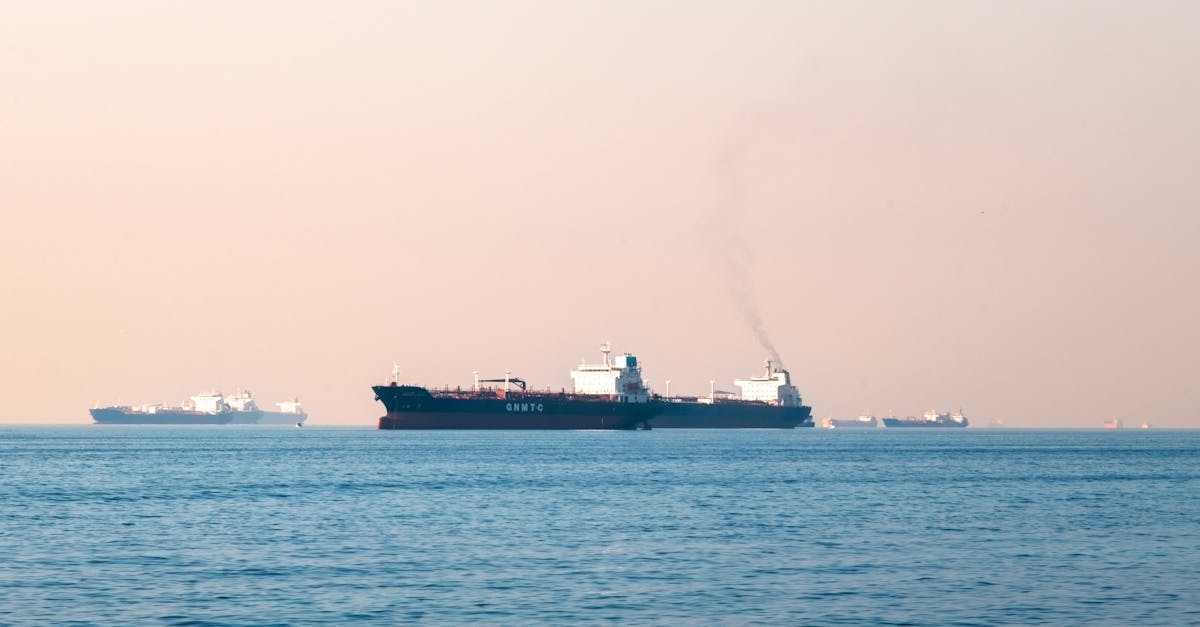
International tanker operators are being advised to refuse payment demands from Iran for passage through the strategically critical Strait of Hormuz. The guidance reflects mounting tensions over Iran's attempts to impose new levies on commercial shipping in one of the world's busiest maritime routes.
PoliitikaThe global shipping industry faces mounting pressure as Iran attempts to impose toll payments on tanker operators transiting the Strait of Hormuz, one of the world's most critical energy corridors. Industry representatives and international authorities have begun advising shipping companies to reject these demands, signaling a coordinated resistance to Tehran's unilateral action.
The Strait of Hormuz remains vital to global energy security, with approximately one-third of all seaborne traded oil passing through its waters annually. Iran's move to demand levies from commercial vessels represents an escalation in its use of maritime chokepoints as leverage in ongoing geopolitical disputes. The proposed tolls would effectively allow Tehran to monetize its geographic position and assert greater control over international shipping.
Shipping associations and maritime authorities have responded by encouraging tanker operators to maintain their current practices and refuse compliance with unauthorized payment demands. This collective stance aims to prevent Iran from establishing a precedent that could fundamentally alter maritime commerce in the region. Several major shipping companies have already received guidance recommending non-compliance with the toll demands.
The situation underscores the vulnerability of global energy supplies to regional conflicts and the delicate balance of power around critical maritime routes. Any disruption to shipping through the Strait of Hormuz could have significant implications for international oil markets and energy prices worldwide. The dispute also highlights broader tensions between Iran and Western nations over sanctions and regional influence.