Middle East tension drives up energy and food costs globally
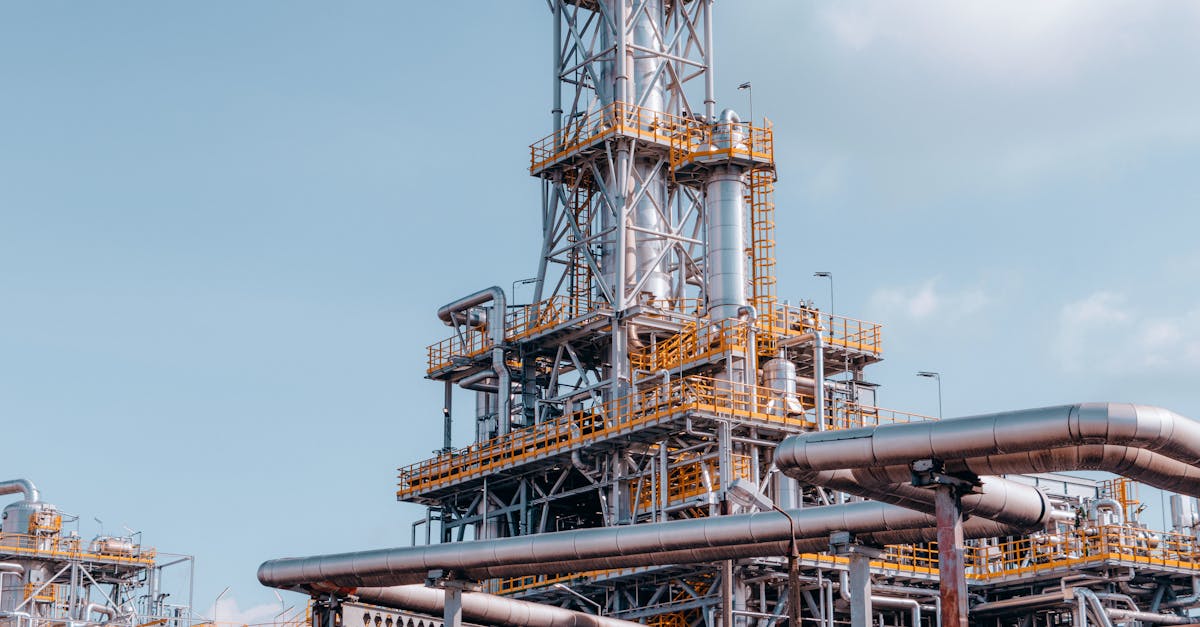
Escalating tensions in the Middle East are pushing petroleum prices higher, which is cascading through energy markets and affecting household utility bills worldwide. Food prices are also climbing as transportation and production costs rise due to increased fuel expenses.
MajandusThe ongoing conflict in the Middle East region is creating ripple effects across global energy markets, putting upward pressure on fuel costs that consumers are beginning to feel in their wallets. As crude oil prices climb due to supply concerns and geopolitical uncertainty, energy companies are passing these increased costs directly to households through higher electricity and heating bills.
The impact extends beyond energy alone. Food prices are experiencing upward pressure as transportation costs increase for farmers, distributors, and retailers who rely on petroleum-based logistics. From farm to table, the chain of inflation triggered by higher fuel costs affects grocery bills and restaurant pricing across developed and developing nations alike.
For households already managing tight budgets, these interconnected price increases represent a significant squeeze on disposable income. Energy-intensive industries like agriculture, manufacturing, and transportation face particular pressure, which further compounds consumer-level inflation. Economists note that periods of Middle East instability typically trigger these commodity-driven price cycles until diplomatic or military situations stabilize.
Governments and central banks are monitoring the situation closely, as sustained energy price increases can destabilize broader economic growth. Some nations are evaluating strategic petroleum reserves and alternative energy solutions to insulate consumers from future shocks, while others are calling for international dialogue to ease regional tensions and stabilize markets.