Medical Mystery: Hundreds Report Skin Condition Doctors Debate
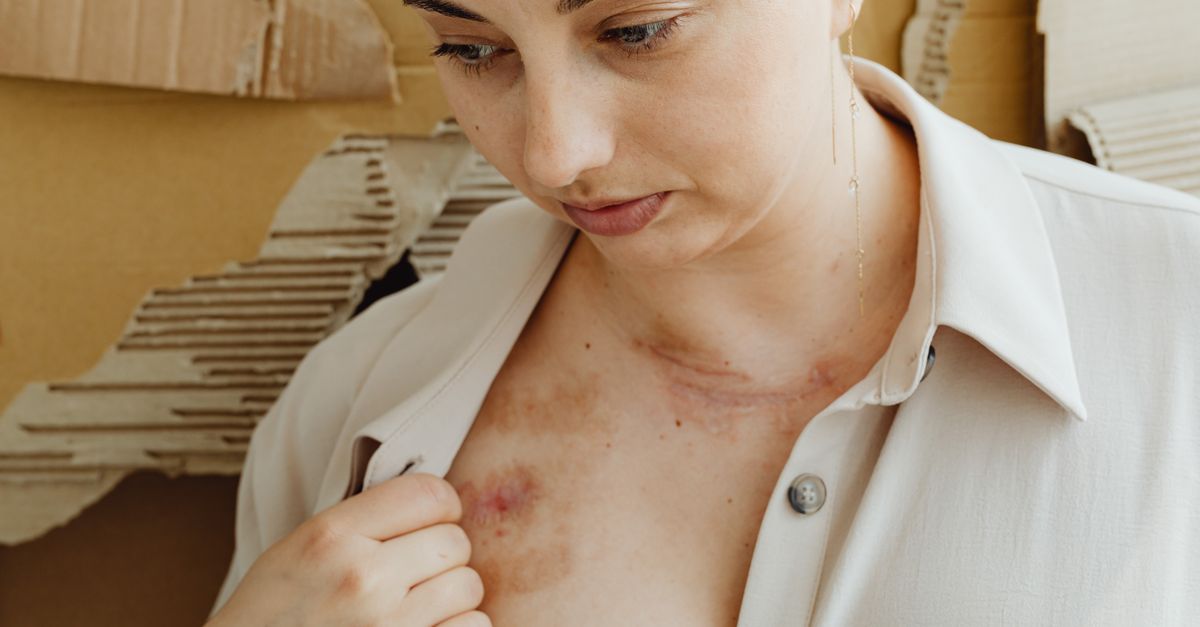
Hundreds of people have contacted the BBC describing a severe skin condition that causes extreme suffering, yet the medical community remains divided on whether it represents a distinct disease or a severe manifestation of existing conditions like eczema. The debate centers on a phenomenon some call Topical Steroid Withdrawal (TSW), which lacks universal medical recognition despite the significant distress reported by patients.
ArvamusA growing number of individuals have reached out to media organizations describing debilitating skin symptoms that have left them unable to work or maintain normal social interactions. The condition they describe involves severe inflammation, itching, and pain that can persist for extended periods. However, the medical establishment remains fractured on how to classify and treat what these patients are experiencing, creating significant frustration among those affected.
The central point of contention involves whether the symptoms constitute a separate medical condition or represent an extreme manifestation of commonly recognized skin disorders. Some dermatologists argue that the condition is simply a severe form of eczema or other inflammatory skin disease, while others support the theory of Topical Steroid Withdrawal—a syndrome allegedly triggered by discontinuing steroid creams that were previously used to manage skin problems.
This disagreement has profound implications for patients seeking validation and appropriate treatment. Those who suffer from these symptoms often feel dismissed by healthcare providers who don't recognize their experience as a distinct medical entity. The lack of medical consensus makes it difficult for patients to access appropriate care, support groups, or even public understanding of their condition.
The controversy highlights a broader challenge in modern medicine: conditions that don't fit neatly into existing diagnostic categories but cause genuine suffering may be overlooked or misdiagnosed. Patients advocating for recognition of TSW argue that the medical establishment must take their experiences seriously, while some doctors remain skeptical about whether sufficient evidence exists to classify it as a separate disease requiring distinct treatment protocols.