Iran Faces New Pressure as Trump Threatens Infrastructure Strikes
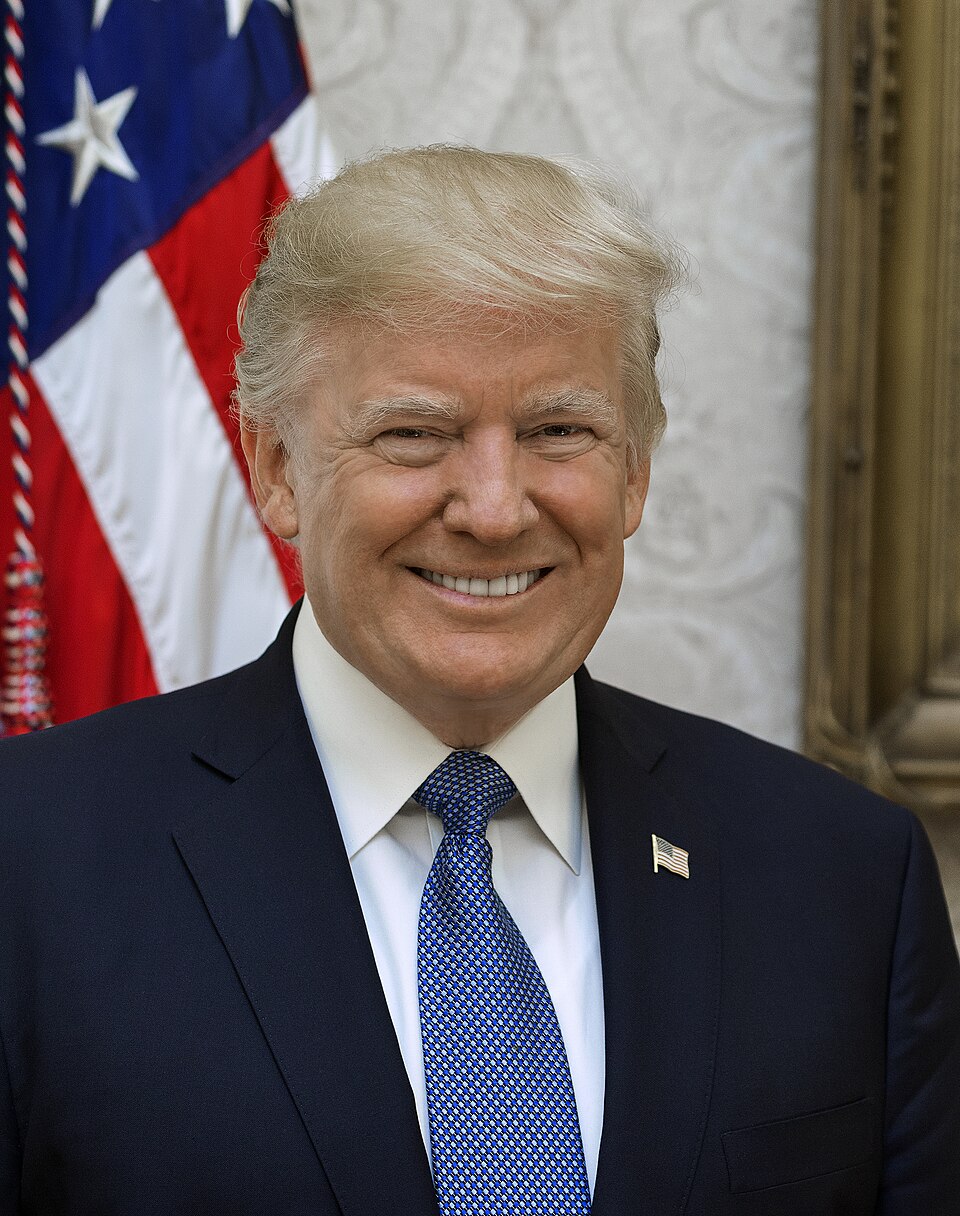
US President Trump has threatened to destroy Iranian power plants and bridges unless Iran opens the Strait of Hormuz, creating significant tensions in the Middle East. Iranian citizens express growing concern about potential military action and its economic consequences.
PoliitikaThe threat of military action looms over Iran as US President Donald Trump escalates pressure on Tehran, specifically demanding access to the Strait of Hormuz or facing strikes on critical infrastructure including power plants and bridges. The ultimatum has prompted deep anxiety among ordinary Iranians, who fear the consequences of such an escalation on civilian infrastructure and daily life.
The Strait of Hormuz remains one of the world's most strategically important waterways, with approximately one-fifth of global oil passing through it daily. Iran's control over this chokepoint gives the nation significant leverage in regional geopolitics, but Trump's threats suggest the US administration is willing to risk military confrontation to secure free passage of maritime traffic.
Iranian citizens interviewed about the situation express pessimism about their country's economic and security situation. Many fear that infrastructure destruction would deepen existing economic hardships, including power shortages and transportation difficulties. The threat comes at a time when Iran already faces international sanctions and internal economic challenges.
The standoff reflects broader tensions between the US and Iran over regional influence, nuclear capabilities, and maritime access. Diplomatic channels remain unclear, and the timeline for potential action adds urgency to the situation. International observers are watching closely to see whether negotiations might prevent military escalation or if Trump's deadline will trigger military operations.
For Iranians, the uncertainty creates both immediate concern about physical safety and longer-term worry about economic stability and national resilience.