Opinion: Estonia and Europe face a new geopolitical reality under Trump
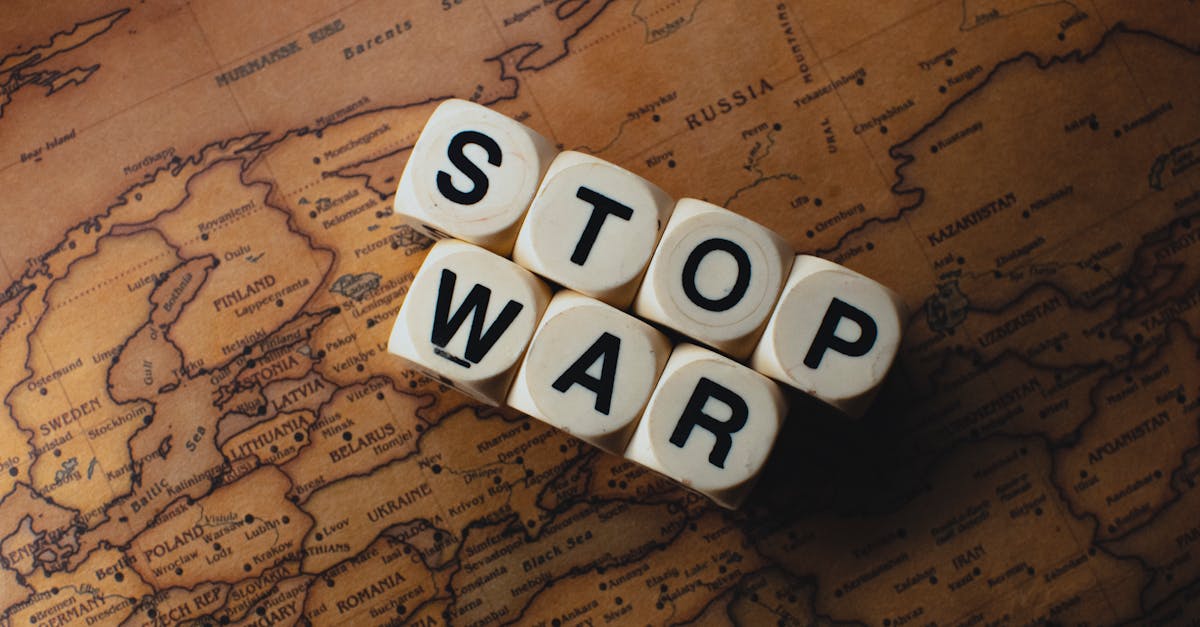
Former Estonian politician and military officer Jüri Toomepuu analyses the shifting geopolitical landscape as Donald Trump's second term enters a critical phase. Trump has failed to end the Ukraine war in 24 hours as promised, and the Iran conflict has become his biggest foreign policy challenge. Toomepuu examines what this means for Estonia and Europe.
ArvamusBy spring 2026, the geopolitical situation facing Estonia and Europe looks considerably more complicated than anyone anticipated when Donald Trump returned to the White House, writes former Estonian politician and military officer Jüri Toomepuu.
Trump came back to power with bold promises: restore American strength, end endless wars, and bend the world to Washington's will. Yet neither of these pledges has materialized on the timeline he envisioned. The Ukraine conflict, which Trump famously claimed he would resolve within 24 hours, continues to grind on with no clear resolution in sight.
The Iran situation has emerged as perhaps the most difficult foreign policy test of Trump's second term. What was once a regional flashpoint has evolved into a complex diplomatic and security challenge that has consumed significant American attention and resources — attention that Europe had been counting on being directed elsewhere.
For Estonia and the broader European community, this new geopolitical reality raises urgent questions. With Washington increasingly absorbed in its own strategic calculations, European nations must reckon with how much they can rely on traditional alliance frameworks and what level of self-sufficiency they need to develop. Estonia, sitting on NATO's eastern flank and sharing a border with Russia, has particular reason to monitor these shifts carefully.
Toomepuu argues that the assumptions underpinning European security strategy are being tested in real time. The coming months will be decisive in determining whether transatlantic ties can be recalibrated to meet new realities, or whether Europe must fundamentally rethink its approach to its own defence and foreign policy.
Ava rakenduses →